Contact
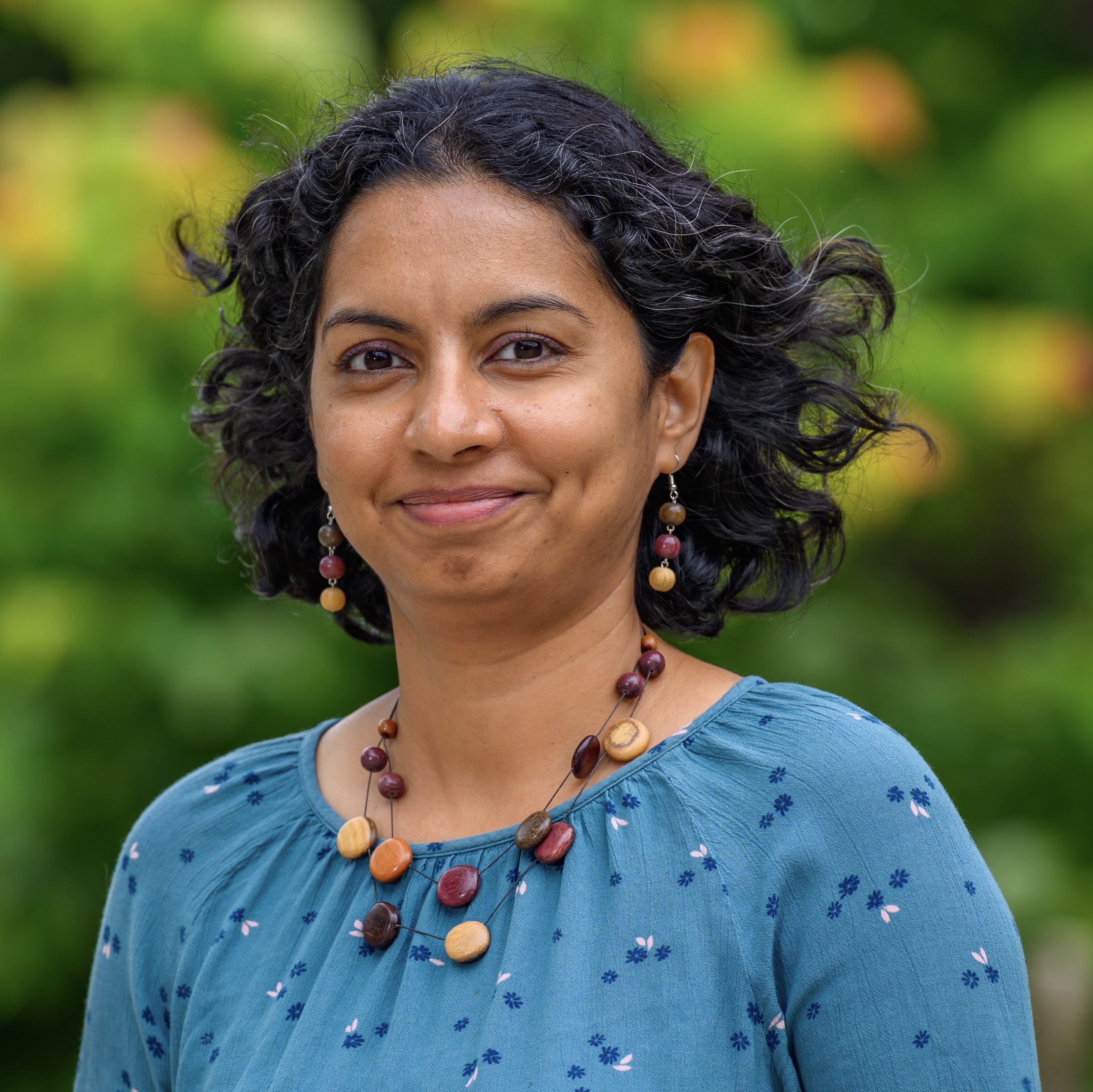
特任講師
ナダドゥール ラジェラクシュミ
Rajalakshmi Nadadur
- 専門分野 :
Gender, Environment and Sustainable Development
Decolonial and Equitable Systems Design
Social Justice & Transformative Practice- Email :
- nadadurg.ecc.u-tokyo.ac.jp

学歴
PhD, Gender and Political History, University of Stirling (UK)
MA, Communication, University of Maine (USA)
MA, Journalism, University of Madras (India)
BA, Finance, University of Madras (India)
プロフィール
My current projects investigate systemic inequities across the Global South, including health disparities among women in fishing communities; the impact of gender inequities on migration, climate, and intergenerational health knowledge transfer; and the ways in which community knowledge informs bio-circular economy solutions and sustainable development.
I have taught in the United States, United Kingdom, Japan, Thailand, and India, integrating interdisciplinary approaches across gender studies, development, and systems design. I have also led and contributed to programmatic initiatives at Michigan State University and the State of Michigan, applying systems-thinking approaches to STEM equity, environmental justice, and education policy. I am currently Senior Research Fellow in Global Gender Initiatives at the Research Institute for Structural Change (RISC), Michigan State University.
学生へのメッセージ
We live in a world overflowing with information, perspectives, and challenges, and it can feel overwhelming. Engaging with diverse contexts including social, cultural, and environmental, helps us make sense of that complexity. By thinking critically about what we read, see, and experience, we learn to recognize patterns, and question assumptions. Developing these skills is not only about knowledge but also about building the capacity to contribute to a more resilient, just, and sustainable society.